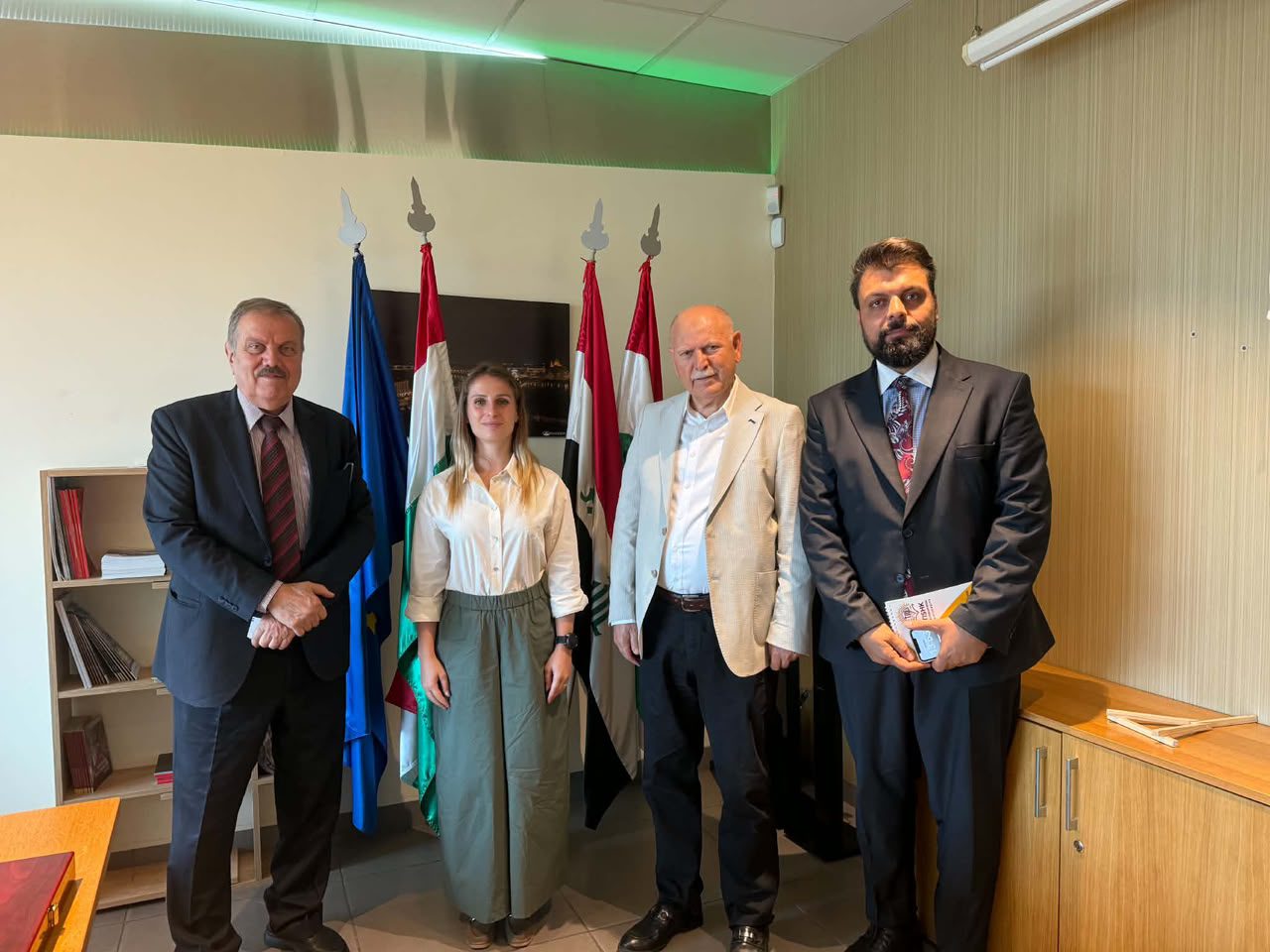
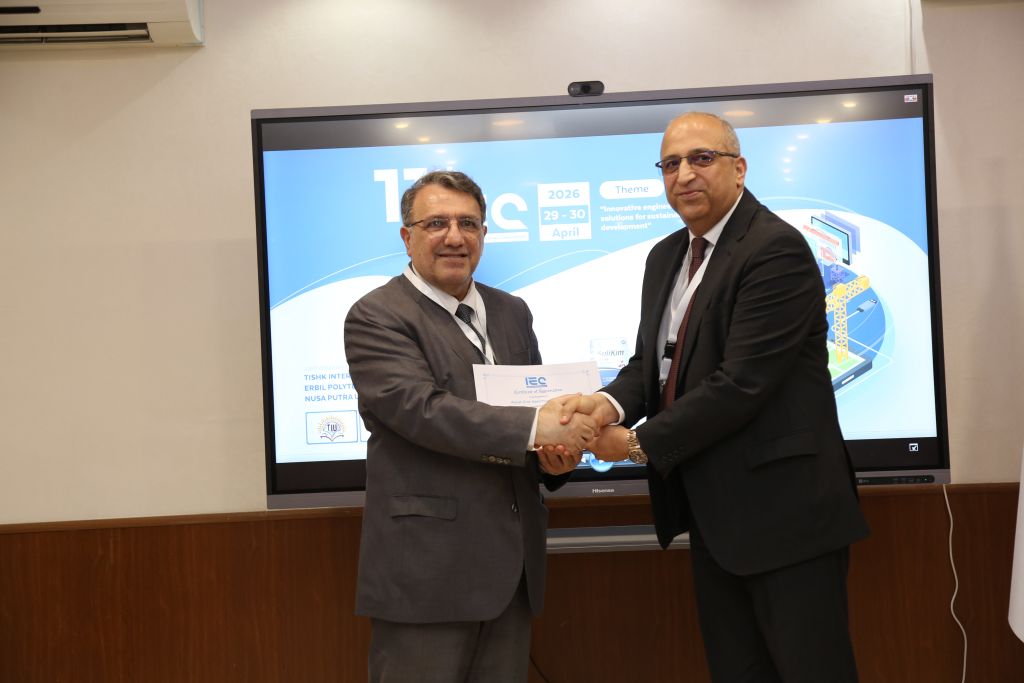
TIU holds 11th International Engineering Conference (IEC’2026) in cooperation with IEEE
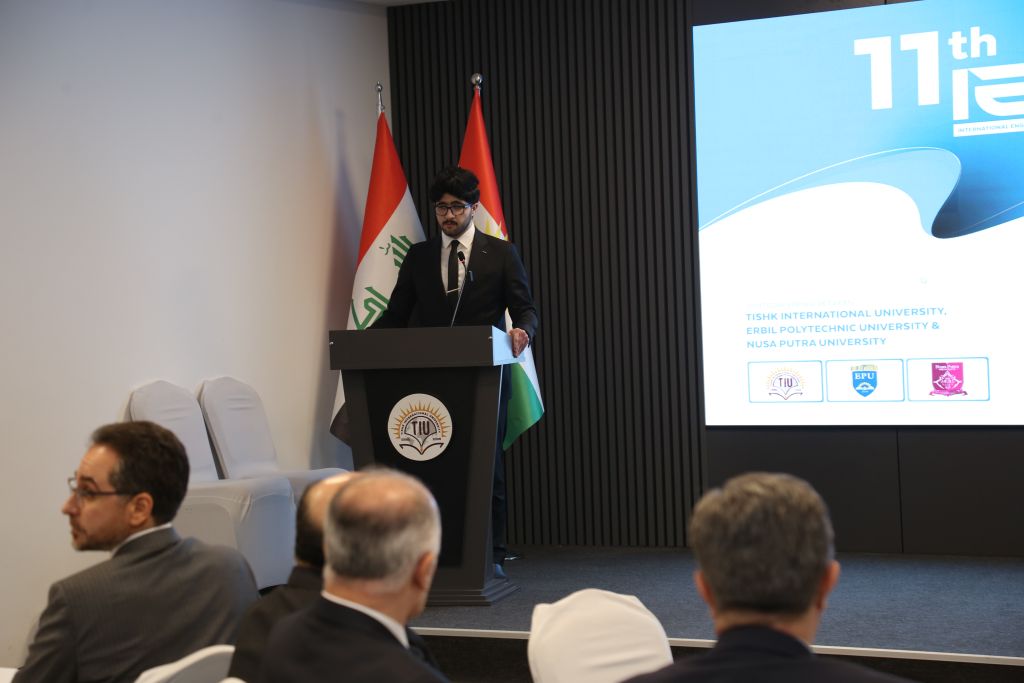
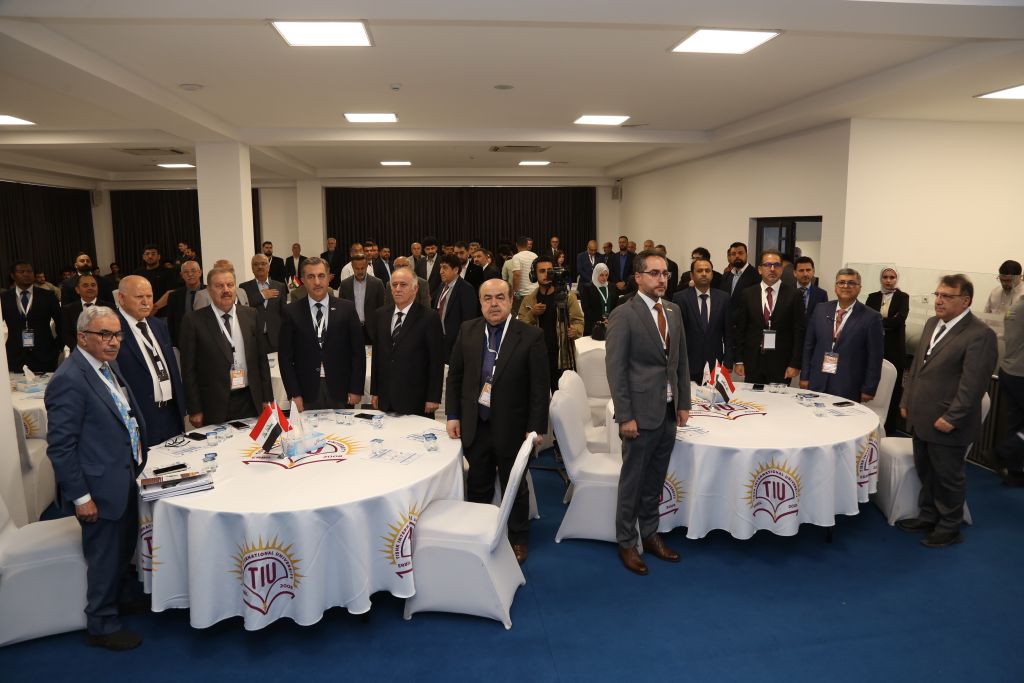
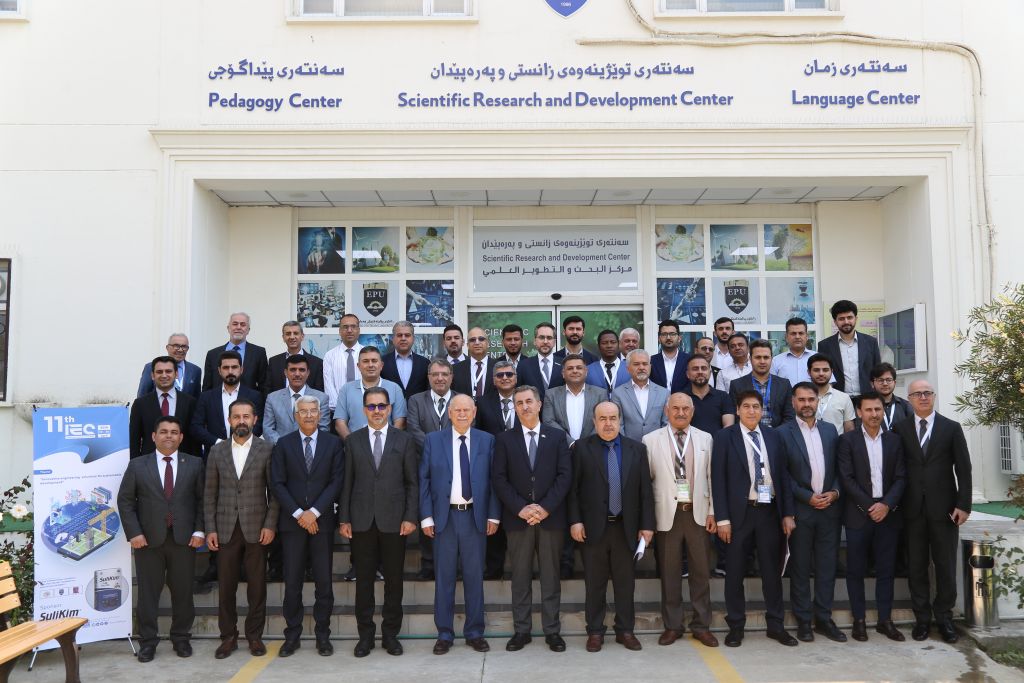
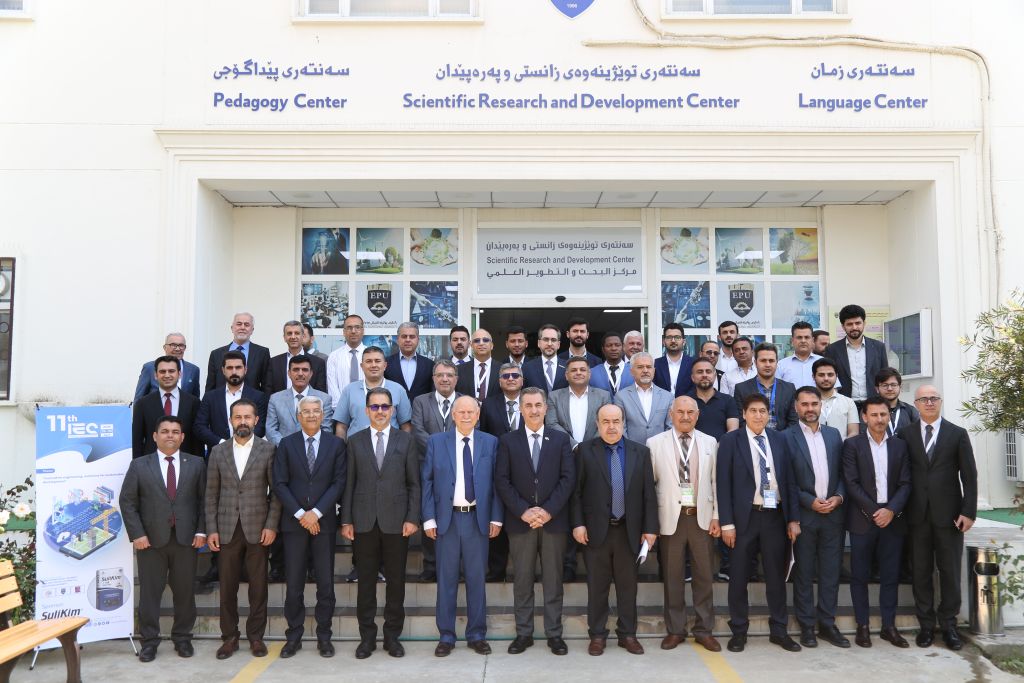
Tishk International University, Erbil Polytechnic University, and Nusa Putra University from Indonesia will jointly host the 11th International Engineering Conference (IEC’2026) on April 29–30, 2026, under the theme “Innovative Engineering Research for Sustainable Development.” The conference is organized with technical collaboration from IEEE and the IEEE Iraq Section.
IEC’2026 aims to provide a multidisciplinary platform for researchers, academics, engineers, and practitioners to present advanced studies and exchange ideas on the latest developments across diverse engineering disciplines. The conference promotes innovation, collaboration, and sustainable solutions to current global engineering challenges.
The conference program covers a wide range of topics including construction and structural engineering, materials engineering, construction management, environmental engineering, green and smart buildings, restoration and rehabilitation of historical structures, renewable energy systems, hydraulic engineering, sustainable materials, waste management, transportation engineering, and geotechnical engineering. Emerging fields such as surveying and geomatics engineering, highway engineering, data science, big data analytics, artificial intelligence, robotics, communications, and biomedical informatics also form a major part of the conference agenda.
This year’s program committee consists of 90 distinguished experts, approximately 85% of whom hold doctoral degrees in engineering related to the conference themes. In line with international academic standards, IEC’2026 is conducted according to guidelines developed in cooperation with IEEE technical partners and the regulations of the Kurdistan Ministry of Higher Education.
All submitted manuscripts undergo a rigorous double-blind peer-review process, with each paper evaluated by at least three reviewers. Papers are assessed based on relevance, originality, timeliness, technical quality, clarity of presentation, and proper use of references.
The paper review process for IEC’2026 demonstrates a balanced and competitive academic environment. A total of 53 submissions entered the review phase, of which 37 papers were accepted, 16 rejected, and 16 withdrawn during different stages. Excluding withdrawn manuscripts, 44 papers completed full review, resulting in an overall acceptance ratio of 69.8%.
At the conference level, the International Conference on Advances in Civil and Infrastructure Engineering (ICACIE’26) recorded a high acceptance ratio of 86.7%, with 13 accepted papers out of 15 reviewed submissions. Meanwhile, the International Conference on Engineering Technologies and Smart Systems (ICETSS’26) accepted 24 papers out of 38 reviewed submissions, yielding an acceptance rate of 63.2%.
A more granular analysis across tracks reveals varying levels of competitiveness and research activity. Within ICACIE’26, tracks such as Transportation and Geotechnical Engineering, Water, Environmental, and Hydraulic Engineering, and Sustainable and Resilient Built Environment achieved a 100% acceptance rate for reviewed papers, indicating either highly specialized submissions or strong pre-selection quality. The Structural and Construction Engineering track showed moderate selectivity with a 60% acceptance rate, while the Smart Infrastructure and Intelligent Technologies track had only withdrawals and no completed reviews.
Within ICETSS’26, the Computational Intelligence and Machine Learning track attracted the highest number of submissions (22 under review) but maintained a balanced acceptance rate of 50%, reflecting its competitive nature. Similarly, the Embedded and Smart Systems Design track recorded a 50% acceptance rate, while Robotics, Control, and Automation Systems was more selective with 33.3%. Notably, the Networking, Communication, and Signal Processing track achieved a 100% acceptance rate for reviewed papers, suggesting strong thematic consistency and submission quality
Papers requiring revisions were conditionally accepted and resubmitted after addressing reviewer comments. Final decisions were then made by track chairs and members of the Technical Program Committee to ensure academic quality and compliance with conference standards.
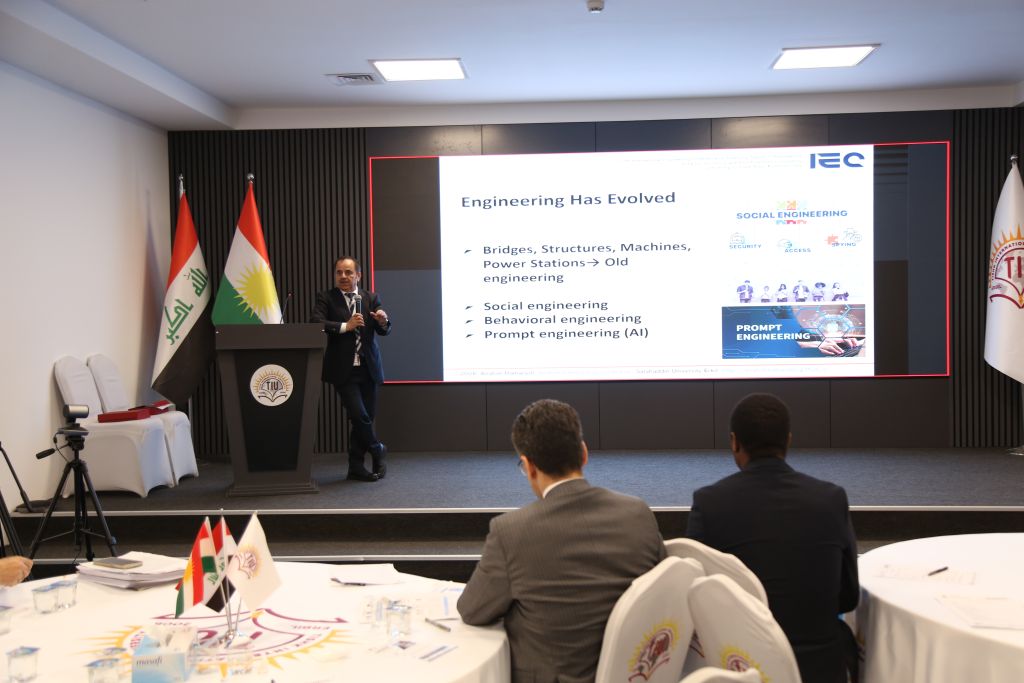
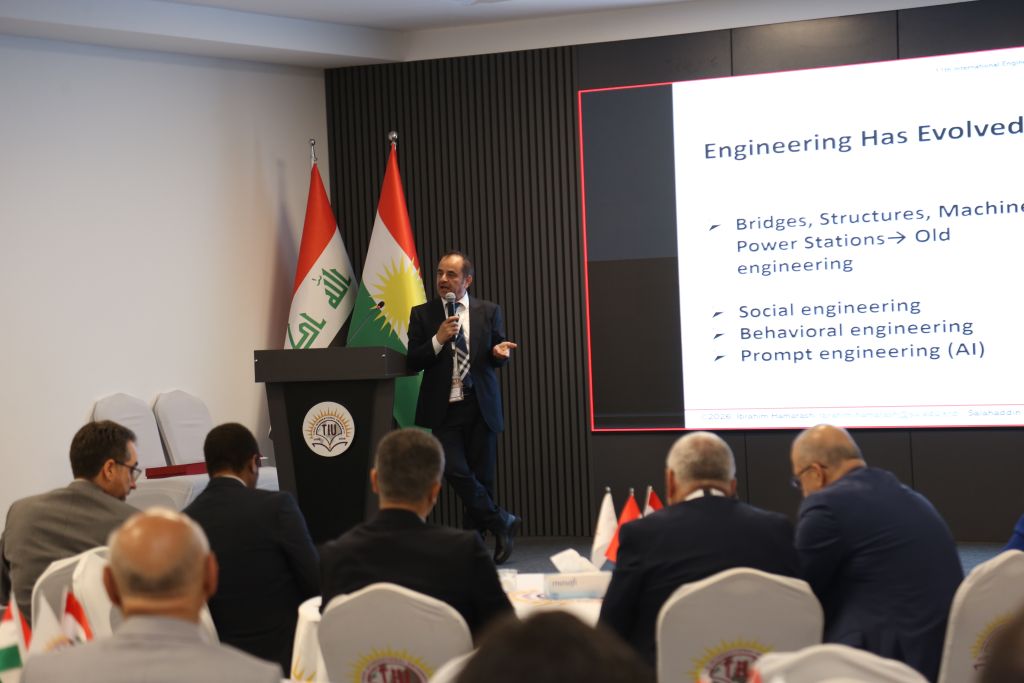
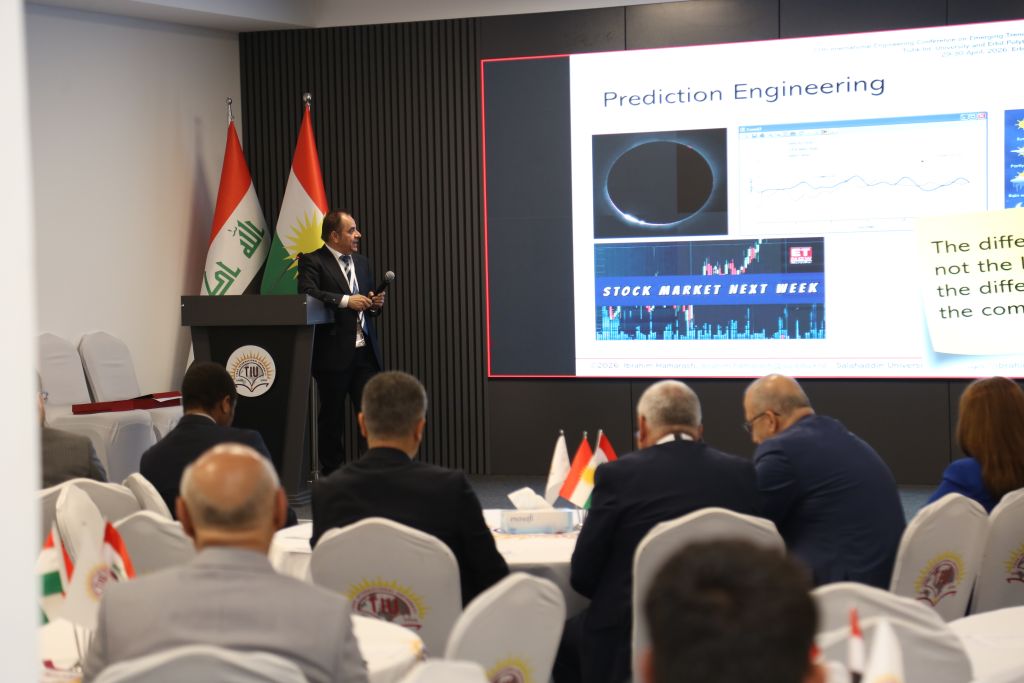
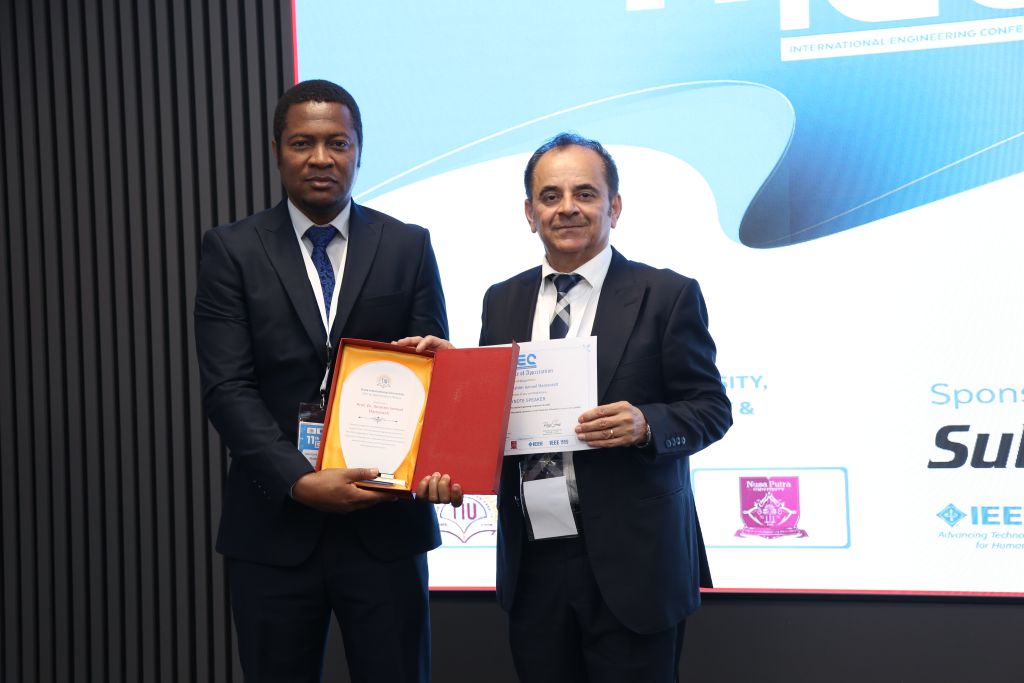
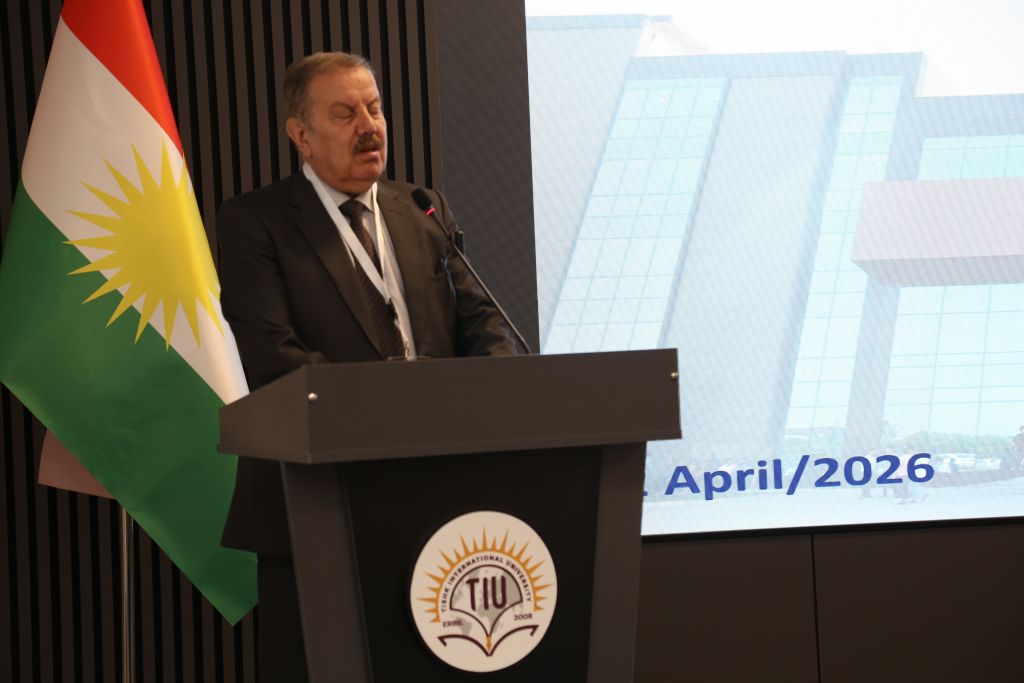
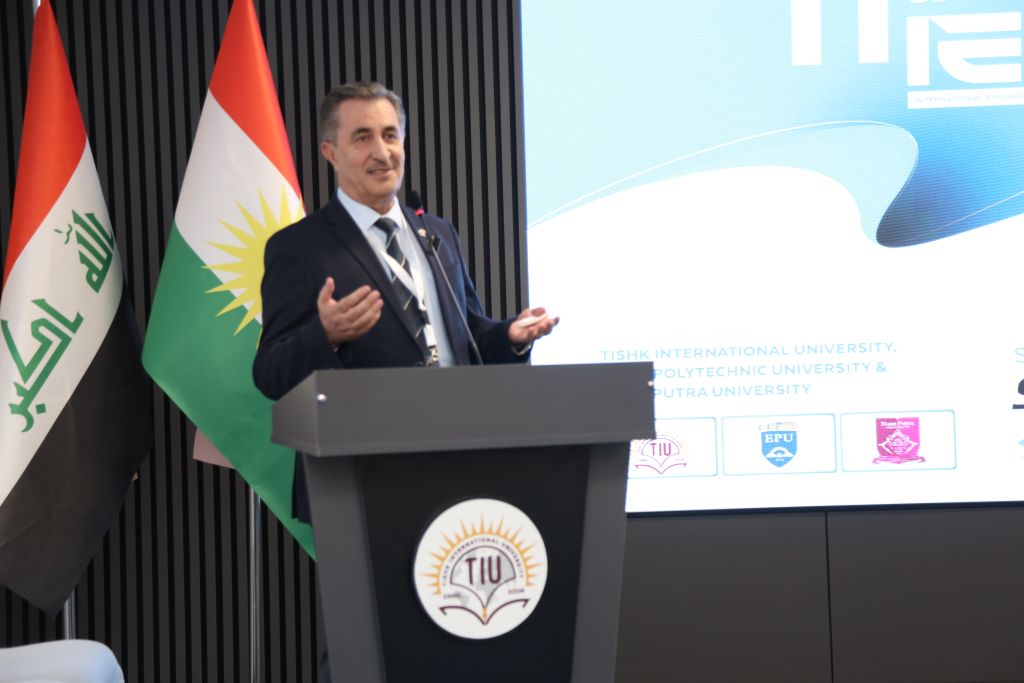
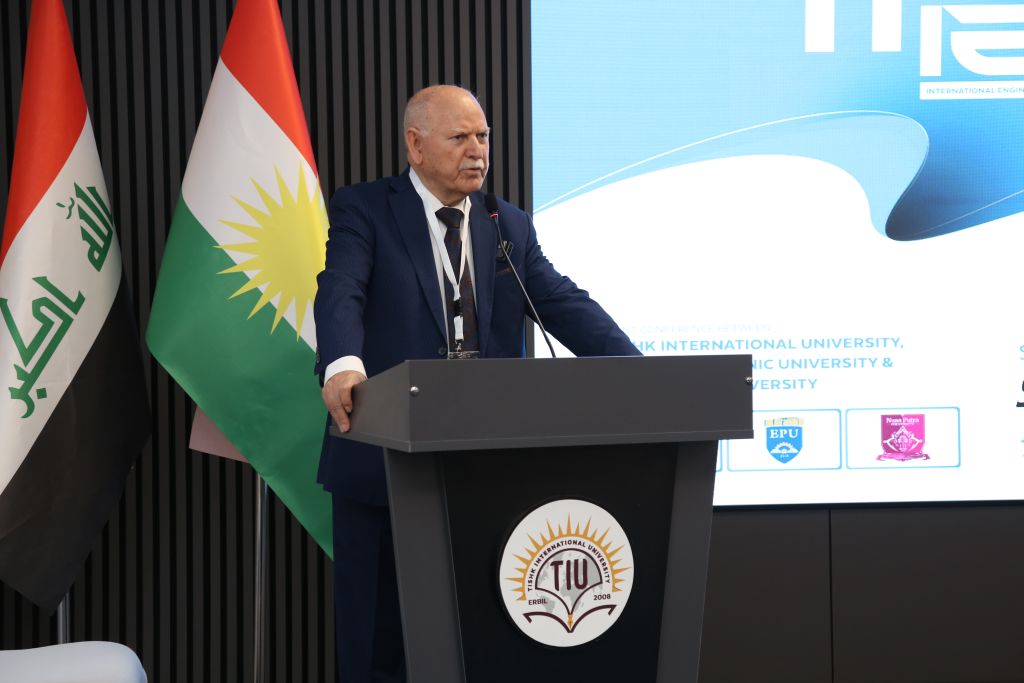
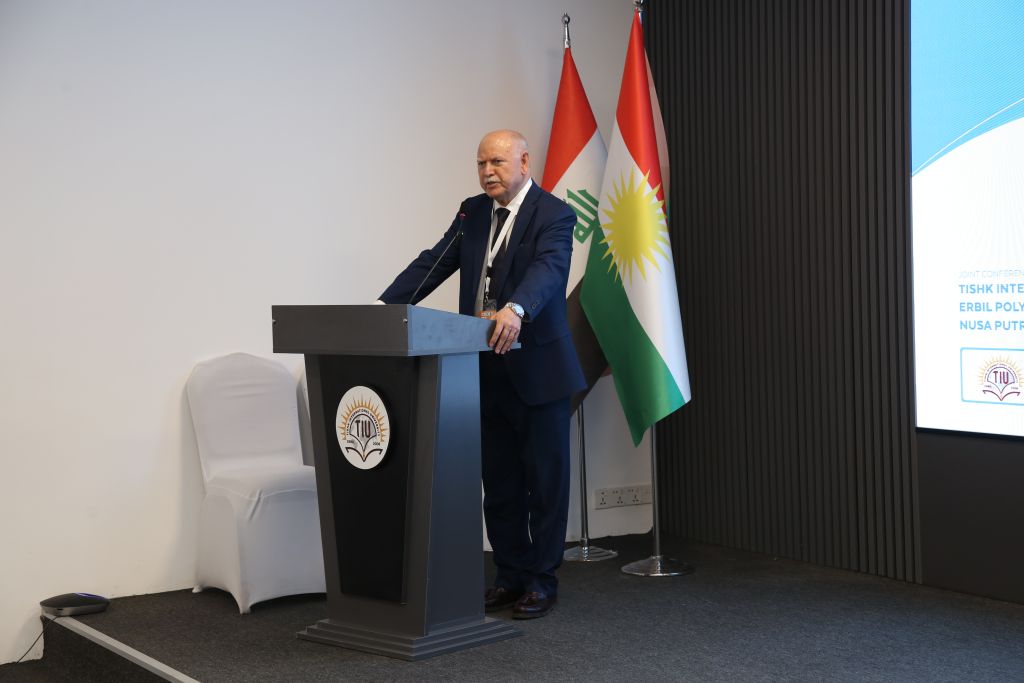
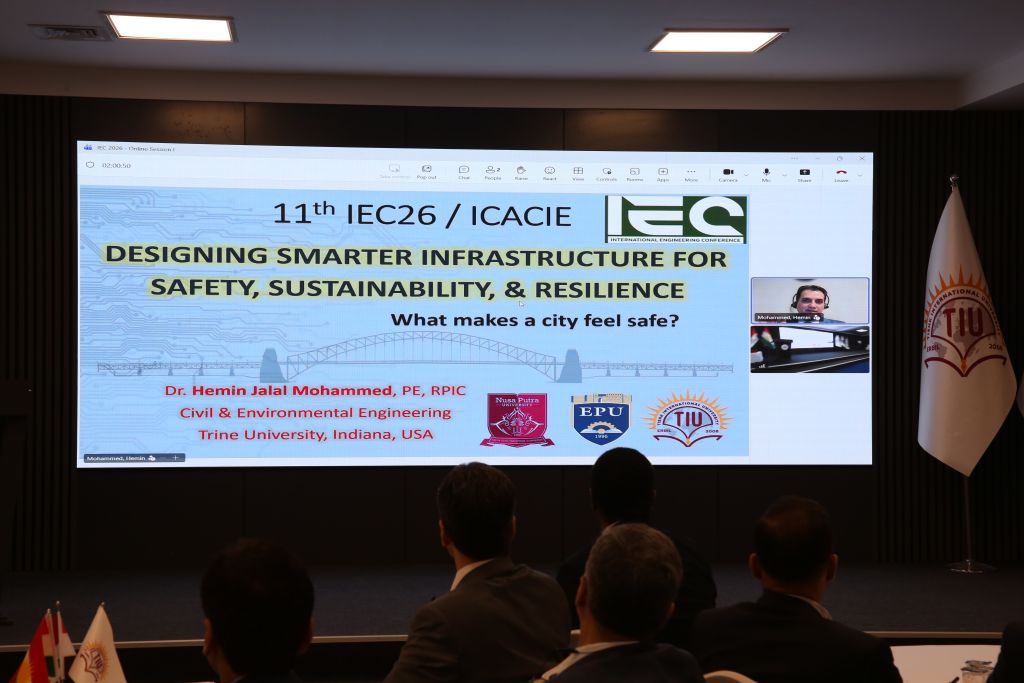
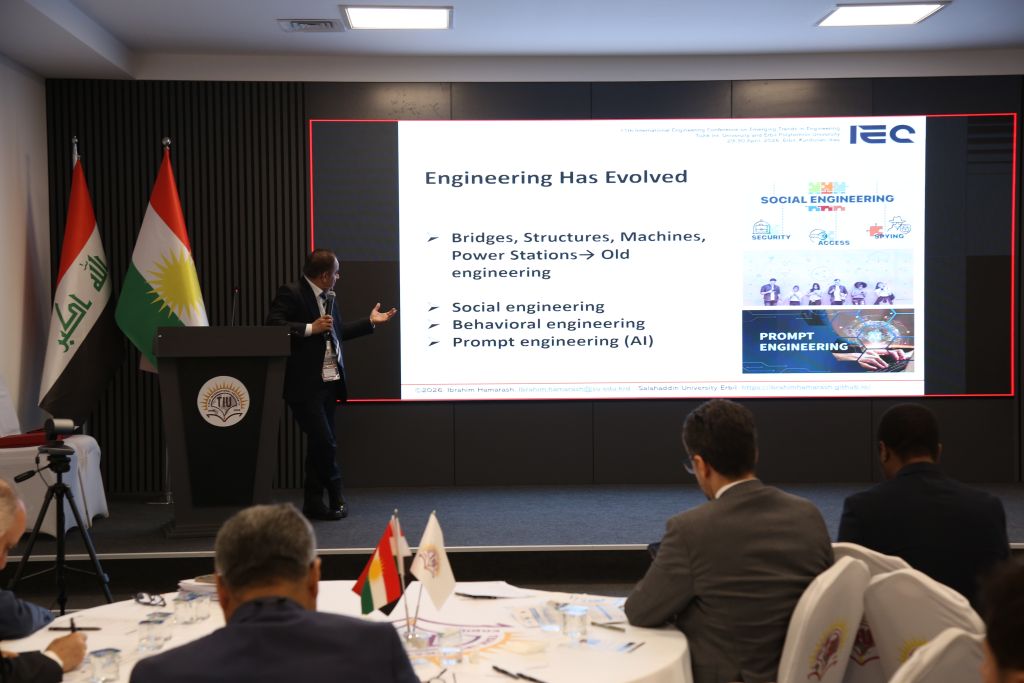
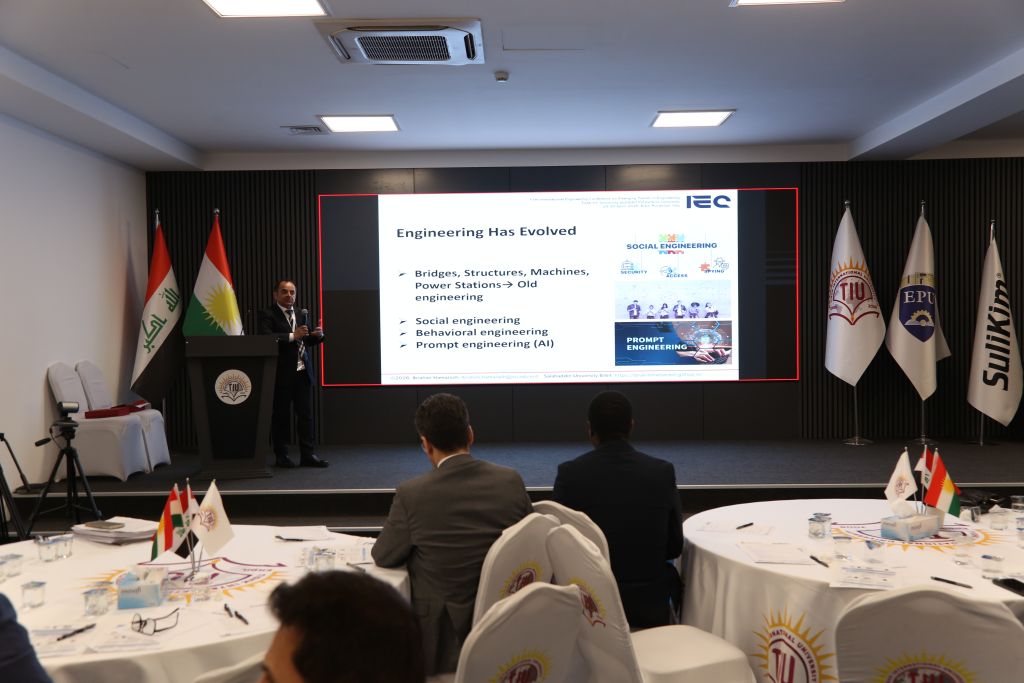
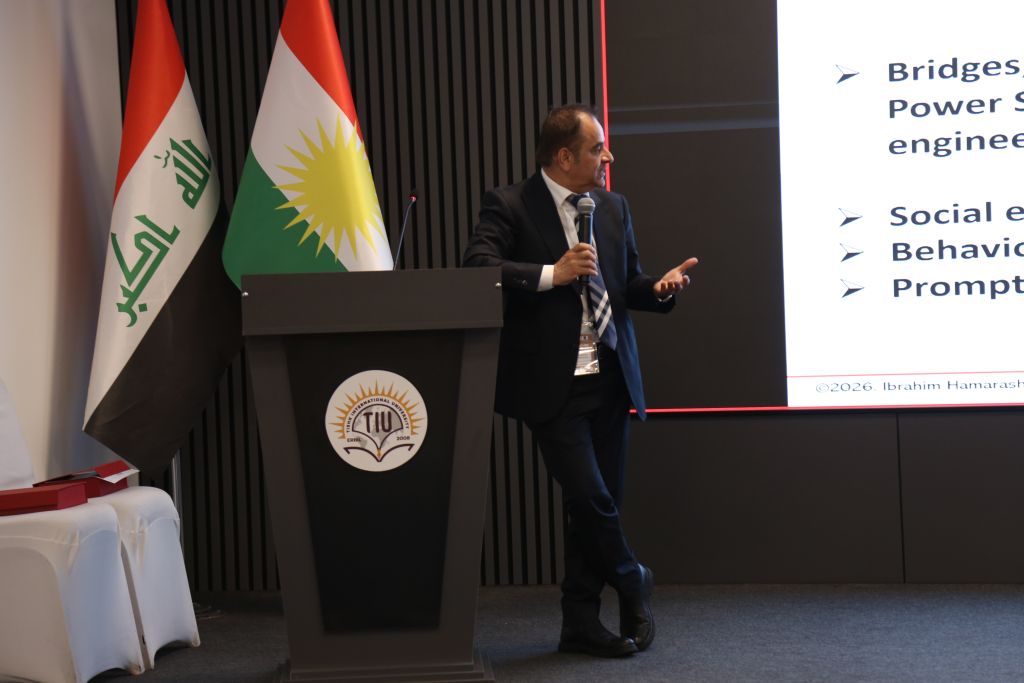
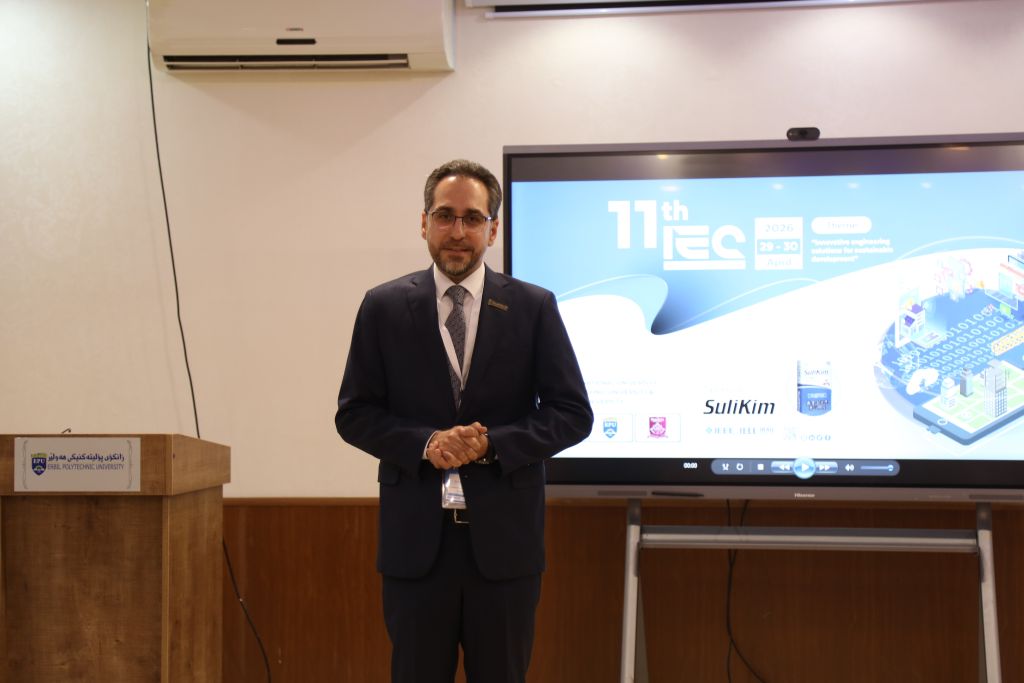
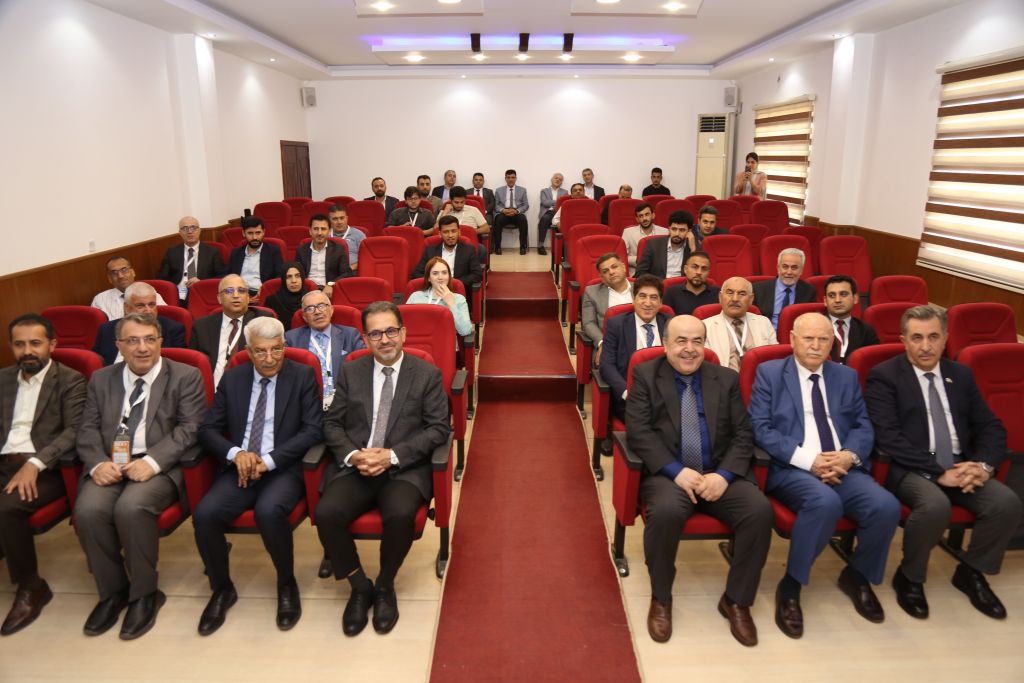
The conference was structured across several thematic tracks, with parallel sessions running on both days to allow participants to explore a wide range of topics. IEC2026 featured notable keynote speeches from four internationally acclaimed experts in engineering:
- Hemin J. Mohammed, presents on “Designing Smarter Infrastructure for Safety, Sustainability, and Resilience.“
- Dr. Ibrahim Ismael Hamarash, presents on “When Systems Speak: Chaos, Complexity, and the Future of Engineering.“
- Dr. Nabil Derbel, presents on “On the Asymptotic Stability of Fractional-Order Controllers with Application to Robotic Rehabilitation Systems.”
- Dr. Dilshad Kakasor Jaf, presents on “FRP solutions for sustainable strengthening and rehabilitation of Reinforced Concrete Structures.”
And a panel has been conducted on the first day under title of “Sustainability in Construction: Materials, Methods, and Management” which was moderated by Dr. Barham Haydar and Dr. Aras Jalal JalyZada, and panelists were: Assist. Prof. Dr. Hardi K. Abdullah, Dr. Ali Rashid Khoshnaw, and Mr. Haval. M. Salih.
Through IEC’2026, Tishk International University and partners continues their commitment to supporting engineering research, academic excellence, and international collaboration with a clear focus on sustainable development.
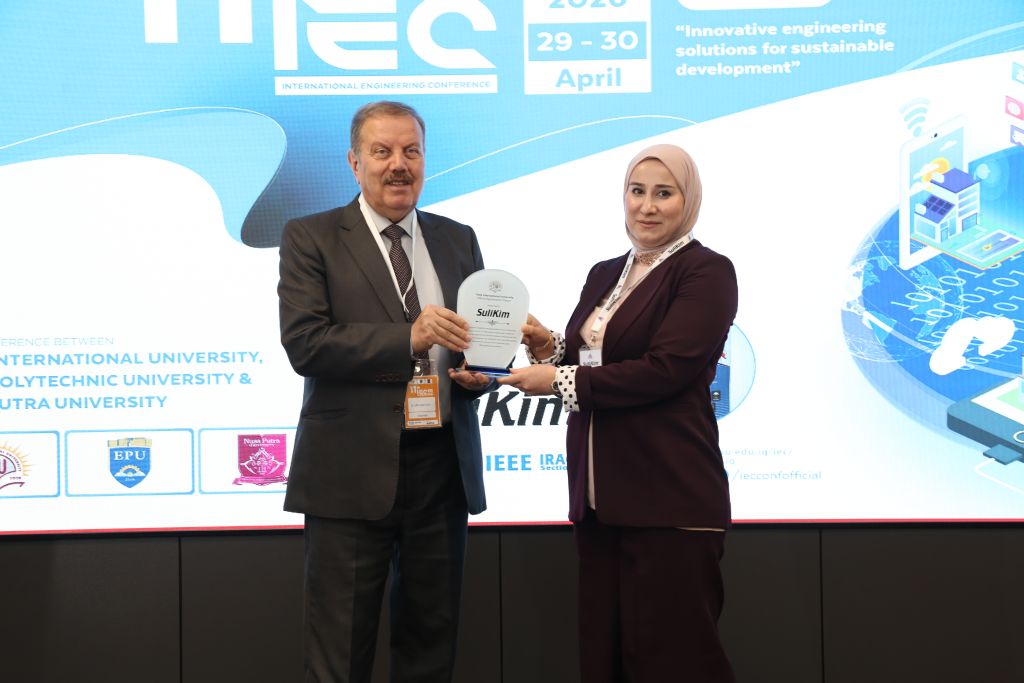
Tishk International University expresses its heartfelt appreciation to all participants, speakers, and sponsors (SuliKim) Company, for their invaluable support in making IEC2026 a remarkable success.
Keywords: Engineering Research, Sustainable Development, Innovation, Artificial Intelligence, Civil Engineering, Smart Systems, Higher Education, International Collaboration.
Share this article
Related Posts
Table of Content